TL:DR
- Flat iron steak comes from the shoulder, specifically the top blade muscle, and it’s one of the most tender cuts on the entire animal despite coming from a hardworking area.
- It gets its name from its flat, iron-shaped cut, not from how it’s cooked.
- Flat iron ranks second only to filet mignon in tenderness testing, but usually costs less per pound.
- It cooks best hot and fast, similar to a strip or ribeye, and doesn’t need a long marinade to stay tender.
- Grass-fed flat iron works well sliced for tacos, grain bowls, or served whole as a standalone steak.
Flat iron steak is one of the more underrated cuts you’ll find at a butcher counter, and most people have never heard of it despite it being one of the most tender cuts on the cow. I’m Tray, and we started carrying it at Sugar Hill Farm because it’s become one of those cuts our regular customers keep reordering once they try it.
If you’ve never cooked one, flat iron looks unfamiliar compared to a ribeye or strip steak. Once you know where it comes from and how to cook it, it earns a permanent spot in the rotation.
Where Flat Iron Steak Comes From
Flat iron steak comes from the shoulder area of the cow, specifically the top blade muscle. That’s part of the chuck primal, the same general region that gives us chuck roast.
Most cuts from the shoulder are tough, since it’s a heavily worked muscle group that needs long, slow cooking to break down. Flat iron is the exception. It comes from a smaller section of the shoulder that doesn’t do as much of the heavy lifting, which keeps it naturally tender.
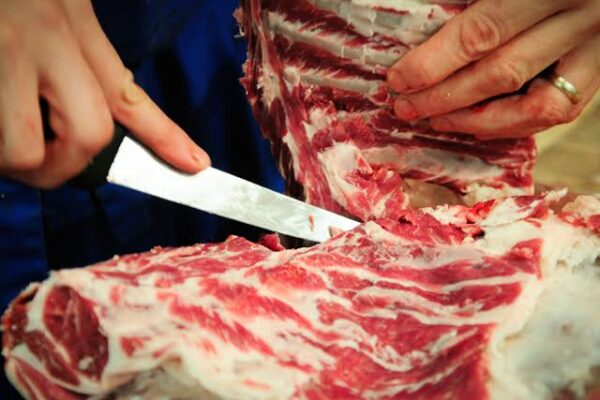
Butchers didn’t start separating flat iron out as its own cut until relatively recently, in the early 2000s. Before that, this section usually got ground up or cut into less desirable roasts, since separating it required extra labor most butchers didn’t bother with.
Why It’s Called “Flat Iron”
The name comes from its shape, not its cooking method. Once trimmed of the connective tissue that runs through the shoulder, the cut is left flat and roughly rectangular, resembling an old-fashioned clothing iron.
Some cuts get their names from where they sit on the animal, like ribeye or short rib. Flat iron is one of the few named for its literal shape once it’s been trimmed and portioned.
Texture and Flavor
Flat iron steak is dense, well-marbled, and beefy in flavor, closer to a strip steak than a lean cut like flank or skirt. The marbling running through it keeps it juicy even at a slightly higher internal temperature than a filet would tolerate.
Independent tenderness testing from meat science researchers has consistently ranked flat iron as the second most tender cut on the cow, behind only the tenderloin. That’s a big claim for a cut that comes from the shoulder rather than the loin or rib.
Grass-fed flat iron carries the same leaner overall profile as our other cuts, so it benefits from careful cooking rather than a long braise. Treat it like a quality steak, not like a tougher shoulder cut.
Flat Iron vs Other Popular Steaks
Here’s how flat iron compares to a few cuts people often reach for instead.
| Flat Iron | Ribeye | Filet Mignon | Sirloin | |
|---|---|---|---|---|
| Location | Shoulder | Rib | Tenderloin | Loin/hip |
| Tenderness rank | 2nd most tender | Moderate-high | Most tender | Moderate |
| Marbling | High | Very high | Low | Moderate |
| Typical price | Lower | Higher | Highest | Moderate |
| Best cook method | Grill, sear | Grill, sear | Sear, roast | Grill, sear |
How to Cook Flat Iron Steak
High heat and a short cook time bring out the best in flat iron steak. A hot grill or a well-heated cast iron pan both work, aiming for about 4-5 minutes per side depending on thickness.
Because it’s already tender, flat iron doesn’t need a long marinade the way flank or skirt steak does. A simple coating of salt, pepper, and oil is often all it needs, though a quick 30-minute marinade adds extra flavor if you want it.
Pull the steak a few degrees before your target temperature, since it continues cooking slightly during the rest period. Medium-rare, around 130-135°F, is where flat iron tends to shine.
Slicing Flat Iron Steak
There’s a thin strip of connective tissue that runs through the center of a flat iron steak. Most flat iron sold today is already trimmed of it, but if you notice a firmer line running through the middle, slice around it rather than through it.
Beyond that, flat iron slices easily against the grain like most steaks. Thin slices work especially well if you’re using it for tacos, fajitas, or a grain bowl instead of serving it whole.
Common Mistakes to Avoid
Overcooking is the most common mistake, since flat iron’s marbling can trick people into thinking it can handle more heat than it should. Stick to medium-rare or medium for the best texture, and use a thermometer if you’re unsure.
Skipping the rest period is another one. Like any well-marbled steak, flat iron needs 5-10 minutes to redistribute its juices before slicing, or you’ll lose moisture onto the cutting board instead of into the meat.
The third mistake is not knowing about the connective tissue strip. It’s a small detail, but slicing straight through the center of an untrimmed flat iron can leave a chewy line running through an otherwise tender bite.
Storing Flat Iron Steak
Flat iron freezes well for up to a year when vacuum-sealed, the same as every cut that ships from our farm. Thaw in the refrigerator over 24 hours before cooking, rather than at room temperature.
If you’re planning to marinate, it’s fine to thaw and marinate at the same time in the fridge. Just build in a little extra time compared to marinating a fully thawed steak.
Why It Costs Less Than You’d Expect
Given how tender flat iron is, it’s surprising how affordable it usually runs compared to ribeye or filet. Part of that comes down to awareness. Fewer people know to ask for it, so demand hasn’t caught up with cuts that have been steakhouse staples for decades.
Part of it also comes down to yield. Each shoulder only produces a limited amount of true flat iron once the connective tissue is trimmed away, but that scarcity hasn’t translated into premium pricing the way it has for smaller cuts like filet. For now, that works in your favor if you’re looking for a tender, flavorful steak without paying ribeye prices every time.
Best Ways to Use Flat Iron Steak
Flat iron works well as a standalone grilled steak, served whole with a simple side. It also holds up nicely sliced thin for tacos, fajitas, or stir fry, similar to how you’d use flank or skirt steak but with a more tender bite.
If you’re comparing it to other steak options for your next order, our Flank Steak vs Skirt Steak guide covers two leaner, more marinade-dependent cuts, while Filet Mignon vs Ribeye covers the more classic steakhouse comparison. Flat iron sits in an interesting middle ground between all of them, tender like filet but with more marbling and flavor closer to ribeye.
Our Grass-Fed Flat Iron Steak ships vacuum-sealed and flash-frozen, ready for a hot grill or a fast weeknight dinner. If you’re building a mixed order and not sure where flat iron fits, Best Cuts for a Beef Box walks through how to balance a variety of steaks in one order.
Frequently Asked Questions
Is flat iron steak a good cut of meat?
Yes. It’s one of the most tender cuts on the cow, ranking second only to the tenderloin in tenderness testing, despite coming from the shoulder.
Does flat iron steak need to be marinated?
Not necessarily. It’s already tender enough to skip a long marinade, though a quick 30-minute marinade adds extra flavor if you want it.
How is flat iron steak different from flank steak?
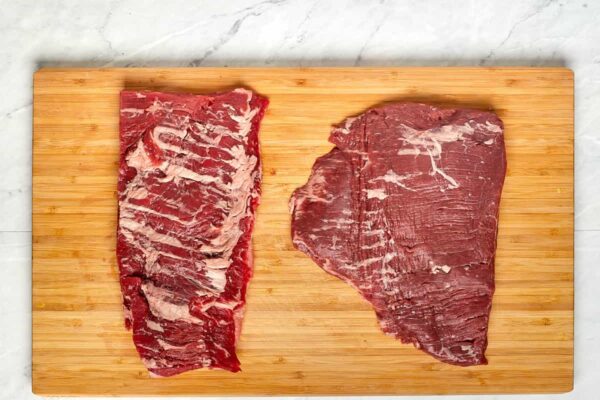
Flat iron comes from the shoulder and is naturally tender with good marbling. Flank comes from the abdomen, is leaner, and needs a marinade and careful slicing to stay tender.
What’s the best way to cook flat iron steak?
High heat, quick cooking, about 4-5 minutes per side depending on thickness, then a short rest before slicing.
Why isn’t flat iron steak more common at grocery stores?
It requires extra labor to trim out from the shoulder, so it wasn’t widely available until butchers started separating it out in the early 2000s. Many grocery stores still don’t carry it regularly.
Flat iron steak is proof that some of the best cuts on the cow come from unexpected places. Shop our grass-fed steaks and give it a try on your next grill night.