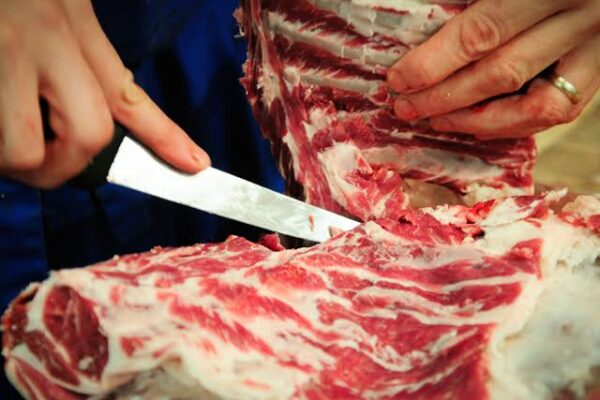
TL:DR: Prime rib and ribeye come from the exact same primal cut, the rib section, so there’s no real difference in flavor or marbling between them. Prime rib is the whole roast, bone-in and uncut, typically served for a holiday or special occasion, while ribeye is that same roast portioned into individual steaks, ready for a quicker weeknight or weekend cook. Choosing between them really comes down to whether you’re feeding a crowd from one large roast or cooking individual steaks for a smaller group.
Prime rib vs ribeye confuses a lot of people, and understandably so, since the two terms get used almost interchangeably at holiday dinners and steakhouses alike. I’m Tray, and it’s one of the most common questions we get at Sugar Hill Farm, especially heading into the holidays when people start planning a bigger roast.
Once you know they’re the same cut in two different forms, the rest of the decision becomes a lot easier.
Where They Both Come From
Both prime rib and ribeye come from the rib primal, one of the most naturally marbled sections of the entire animal. That marbling runs consistently through the whole rib section, which is exactly why both forms deliver the same rich, beefy flavor.
The name “prime rib” doesn’t refer to USDA Prime grading, despite the shared word. It’s a traditional name for the roast itself, standing rib roast is the more technically accurate term, though prime rib is what most people call it at the table.
The Real Difference: Whole Roast vs. Individual Steaks
Prime rib is the entire rib roast left whole, typically bone-in, and cooked as one large piece, often for a holiday meal or a gathering. Ribeye is that same roast cut into individual steaks before cooking, portioned for a single serving each.
That’s really the whole difference. Same primal, same marbling, same flavor, just a different point in the process where the butcher stops and either leaves it whole or slices it into steaks.
Prime Rib vs Ribeye: Side by Side
| Prime Rib | Ribeye | |
|---|---|---|
| Form | Whole roast, usually bone-in | Individual steaks |
| Typical serving size | Feeds 6-10+ from one roast | One steak per person |
| Cook time | 3-4 hours for a full roast | 10-15 minutes per steak |
| Best occasion | Holidays, larger gatherings | Weeknight or weekend dinners |
| Cooking method | Slow roast, then rest and carve | Sear or grill, quick high heat |
| Flavor and marbling | Identical, same primal cut | Identical, same primal cut |
When to Choose Prime Rib
If you’re cooking for a larger group and want one impressive centerpiece rather than managing several individual steaks on the grill at once, prime rib is the better choice. A whole roast also creates real presentation value, carved tableside, it’s a meal built around an occasion.
Prime rib also makes sense if you want built-in leftovers. A roast large enough to feed ten people at dinner often leaves enough for sandwiches or a second meal later in the week.
When to Choose Ribeye
If you’re cooking for a smaller group, or want more control over each individual serving’s doneness, ribeye steaks are the more practical choice. Not everyone wants their steak cooked to the same temperature, and individual steaks let each person get exactly what they prefer.
Ribeye is also the better fit for a quicker meal. A whole prime rib roast takes hours between prep and rest time, while a ribeye steak goes from freezer to plate in a fraction of that time.
How to Cook Each One
A whole prime rib roast benefits from a low, slow roast, typically around 325°F, until it reaches your target internal temperature, then a rest period before carving. Exact timing depends heavily on the size of the roast, so a meat thermometer matters more here than with almost any other cut.
Individual ribeye steaks cook completely differently, high heat and a short cook time, whether that’s a hot grill, a cast iron sear, or a reverse sear for a thicker cut. Our full guide, Reverse Sear Ribeye: The Best Way to Cook a Grass-Fed Ribeye Steak, walks through that method step by step.
Ordering a Whole Roast
Our standard offering is individual Ribeye Steaks, already portioned and ready to cook, which covers most everyday ordering needs. If you’re planning a holiday meal and want a whole roast instead, reach out to us directly, we’re happy to talk through what’s possible for a special occasion cut.
For a broader comparison of how ribeye stacks up against another classic steakhouse cut, our Filet Mignon vs Ribeye guide covers that in more depth.
Why the Confusion Exists in the First Place
Part of the confusion comes from steakhouse menus themselves, where “prime rib” sometimes shows up as a menu item alongside “ribeye,” phrased as if they’re two different choices rather than two forms of the same cut. Menus are written to describe the dish and presentation, not necessarily to explain butchery, so the overlap in naming sticks around even though the underlying meat is identical.
Grocery stores add to the mix too. A boneless ribeye roast sitting in a display case might get labeled “prime rib roast” around the holidays, then labeled “ribeye roast” or sliced into steaks the rest of the year, all from the same primal cut. None of this is wrong exactly, it’s just inconsistent enough to leave most shoppers unsure what they’re looking at.
Bone-In vs. Boneless, for Either Form
Both prime rib and ribeye can be bone-in or boneless, and the choice affects cook time and presentation more than flavor. A bone-in prime rib roast, sometimes called a standing rib roast specifically because the bones let it stand upright in the pan, tends to hold moisture slightly better during a long roast and makes a striking presentation when carved at the table.
Bone-in ribeye steaks, sometimes marketed as a tomahawk or cowboy steak depending on how much bone is left attached, offer that same slight moisture advantage on a smaller scale. Boneless versions of either are easier to carve or slice and cook a touch more evenly, since there’s no bone affecting how heat moves through the meat.
Planning Ahead for a Holiday Roast
If you know a prime rib roast is on the calendar for a holiday meal, ordering ribeye steaks and asking us about a special larger cut works better the further ahead you plan. Whole roasts require more lead time than our standard portioned inventory, since it means setting aside a larger uncut section rather than pulling from steaks already packaged and ready to ship.
A good rule of thumb is reaching out at least a couple of weeks before a major holiday, giving enough buffer for processing and shipping before the date you need it on the table.
Storing Either Form
Both prime rib and ribeye freeze well for up to a year when vacuum-sealed, the way everything ships from our farm. Thaw a whole roast in the refrigerator over several days given its size, while individual steaks are ready within about 24 hours.
Common Mistakes to Avoid
Treating a whole prime rib roast like a steak, quick and hot, is a common mistake. The size of the roast means it needs low, slow heat to cook evenly through to the center without burning the outside.
The opposite mistake happens with ribeye steaks, cooking them low and slow the way you would a full roast wastes the quick-searing technique that brings out their best texture and crust.
Frequently Asked Questions
Is prime rib a different cut than ribeye?
No, they come from the exact same primal cut. Prime rib is the whole roast left uncut, while ribeye is that same roast portioned into individual steaks.
Does “prime rib” mean it’s USDA Prime grade?
Not necessarily. The name refers to the roast itself, not the USDA grading system, despite the shared word.
How many people does a prime rib roast feed?
It depends on the size, but a standard roast typically feeds 6-10 people or more, making it a practical choice for larger gatherings.
Can I ask for a whole prime rib roast instead of individual ribeye steaks?
Yes, reach out to us directly for holiday or special occasion orders, and we’ll talk through what’s possible.
Which is better for a first-time cook, prime rib or ribeye?
Ribeye steaks are more forgiving and quicker to learn, since the smaller size and shorter cook time leave less room for a major misstep compared to timing a full roast.
Prime rib and ribeye are really the same great cut wearing two different hats, one built for an occasion, one built for a regular night at home. Order our grass-fed ribeye steaks and see what the fuss is about.