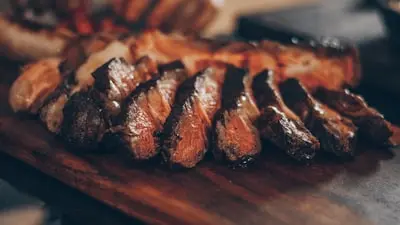
 Premium
Steak
Grass Fed Ribeye Steak
$26.00 / lb
Our grass-fed ribeye steaks are hand-cut from the rib primal and dry-aged for superior flavor. Every steak is packed individually, flash-frozen at peak freshness, and shipped in insulated packaging. Wondering why grass-fed beef tastes different? Read our complete guide.
In stock — ready to ship
Flash-frozen and shipped in insulated packaging.
Free shipping on orders over $76.
Ships frozen via FedEx 2-Day or UPS Priority. Orders placed before 12pm EST ship same day (Mon–Thu). Pennsylvania deliveries typically arrive within 1–2 business days.
Free shipping on orders over $76. Flat-rate $15 shipping on all other orders.
Keep frozen until ready to use. Store at 0°F or below for up to 12 months. Thaw in the refrigerator 24–48 hours before cooking. Do not refreeze after thawing.
About This Product
Grass Fed Ribeye Steak
It comes from the rib primal, one of the most naturally marbled sections of the entire animal. That marbling is what gives ribeye its rich flavor and its forgiving texture, holding up well to high heat without drying out the way a leaner cut can.
If you're deciding between ribeye and filet specifically, our Filet Mignon vs Ribeye guide breaks down exactly how these two classic steaks differ in more depth.
Why Grass Fed Ribeye Steak Is Different From Our Other Steaks
Every steak we sell comes from the same pasture-raised, grass-finished herd, but the rib section carries more natural marbling than the loin or chuck. That marbling runs through the muscle rather than sitting only around the edges, which is what separates a ribeye's eating experience from a leaner cut like sirloin or flank. Grass-fed ribeye carries less overall fat than a grain-finished ribeye, since our cattle never see a feedlot, but the marbling that is there tends to read as cleaner and more pronounced in flavor. Many people notice a more distinctly beefy taste compared to the milder, fattier profile of a grain-finished ribeye.How to Cook Ribeye
Grass Fed Ribeye Steak rewards a hot, direct sear, whether that's a cast iron pan, a grill, or a broiler. Season simply with salt and pepper, since the marbling is already carrying most of the flavor, and sear for 3-4 minutes per side depending on thickness, aiming for medium-rare around 130-135°F. Because grass-fed beef cooks faster than grain-fed, keep a close eye on internal temperature rather than relying on a timer alone. Pull it a few degrees before your target, then rest for 5-10 minutes before slicing or serving whole. If you want more control over a thicker cut, our full guide, Reverse Sear Ribeye: The Best Way to Cook a Grass-Fed Ribeye Steak, walks through the low-and-slow-then-sear method step by step, our recommended approach for a ribeye over an inch thick.Bone-In or Boneless
Ribeye is available both ways, and the choice mostly comes down to preference. Bone-in ribeye, sometimes called a cowboy steak when cut extra thick, holds a bit more moisture during cooking and makes for a striking presentation. Boneless ribeye cooks a touch faster and is easier to portion and slice. Either version carries the same rich marbling and flavor, since the bone itself doesn't significantly change the eating experience, mostly the cook time and presentation.Ribeye vs. Our Other Steaks
| Ribeye | Filet Mignon | NY Strip | |
|---|---|---|---|
| Location | Rib | Tenderloin | Short loin |
| Marbling | Very high | Low | Moderate |
| Tenderness | High | Highest | Moderate-high |
| Flavor | Rich, beefy | Mild, buttery | Firm, beefy |
| Best cooking method | Sear, grill, reverse sear | Sear, careful not to overcook | Sear, grill |
Serving Ribeye
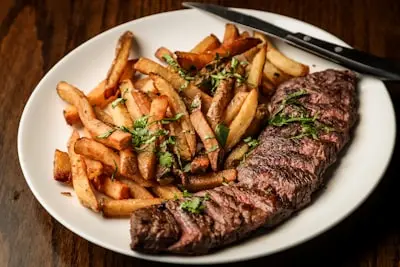
Ribeye is substantial enough to be the centerpiece of a meal on its own. A simple side, roasted potatoes, a green vegetable, maybe a pat of compound butter melted over the top, is usually all it needs, since the steak itself is doing the heavy lifting. For a special occasion, slicing a rested ribeye against the grain and fanning it out on a platter makes for an impressive presentation without any extra cooking effort beyond what you'd already do for a single steak.Why Ribeye Has Earned Its Reputation
Steakhouses build entire menus around ribeye for a reason. It's one of the few cuts where marbling, tenderness, and bold flavor all show up at once, without needing a marinade, a long braise, or any real technique beyond a good sear to taste great. That's part of why it's often the cut people reach for when they want to cook something impressive without overcomplicating the process. Grass-fed ribeye brings its own version of that same reputation. It's not trying to imitate a grain-fed ribeye, it's simply what this cut looks like when the animal spent its entire life on pasture instead of a feedlot. The result is a steak with real character, still rich, still deeply marbled for its category, but with a cleaner finish than a heavily grain-fattened version.Storing Ribeye
Ribeye freezes well for up to a year when vacuum-sealed, the same as every cut that ships from our farm. Thaw in the refrigerator over 24 hours before cooking, rather than at room temperature, to keep the texture consistent from freezer to plate.Sourcing
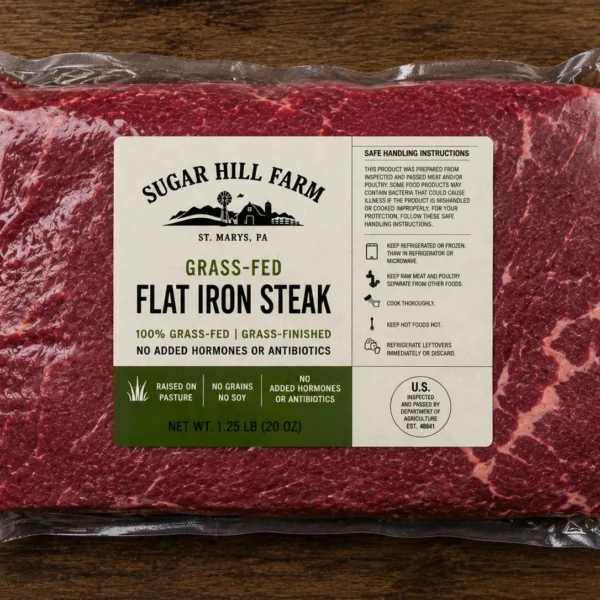
This ribeye comes from Scottish Highland cattle raised entirely on pasture here in St. Marys, Pennsylvania, with no grain finishing at any point. It's processed at a USDA-inspected facility and shipped vacuum-sealed and flash-frozen, the same careful handling behind every cut on this site.Frequently Asked Questions
What makes ribeye different from other steaks? Ribeye comes from the rib primal, one of the most naturally marbled sections of the animal, giving it a richer flavor and more forgiving texture than leaner cuts. Is grass-fed ribeye as tender as grain-fed ribeye? Yes, tenderness comes primarily from the muscle itself rather than the diet. Grass-fed ribeye carries less overall fat but similar tenderness, with a cleaner, more pronounced beef flavor. Should I buy bone-in or boneless ribeye? Either works well. Bone-in holds slightly more moisture and makes a striking presentation, while boneless is easier to portion and cooks a touch faster. What's the best way to cook a thick ribeye? For a ribeye over an inch thick, a reverse sear, low and slow in the oven followed by a hot pan sear, gives the most even, controlled result. How long does ribeye last in the freezer? Up to a year when vacuum-sealed, the same as our other cuts. Thaw in the refrigerator over 24 hours before cooking. A true classic, rich with marbling and full of flavor, ready for your next steak night. Order yours today.Farm Practices
| Feed | 100% Grass — No Grain Ever |
|---|---|
| Raised | Open Pasture, St. Marys PA |
| Hormones | None |
| Antibiotics | None |
| Processing | USDA Inspected |
| Packaging | Vacuum-sealed, flash-frozen |
Cut Category
Steak
Reviews
There are no reviews yet.