
TL:DR
- Beef heart is technically a muscle, not a typical organ, which is why it cooks and tastes much closer to a lean steak than people expect.
- Trimming matters more than seasoning. Removing the silverskin, fat, and any tough valve tissue is the most important step before cooking.
- Slice it thin against the grain for quick-cooking methods like stir fry, or cook it whole as a steak and slice after resting.
- High heat and a short cook time work best, the same approach you’d use for flank or skirt steak.
- Overcooking is the most common mistake. Beef heart is lean enough that it toughens fast past medium-rare.
Beef heart for beginners doesn’t need to be intimidating, even though it looks unfamiliar the first time you unwrap one. I’m Tray, and beef heart was one of the first organ meats we started cooking regularly at Sugar Hill Farm, mostly because it’s genuinely approachable once you know what you’re doing with it.
If you’ve read up on why organ meats are worth adding to your rotation, this guide picks up where that leaves off and focuses purely on the practical side, trimming, cutting, and cooking beef heart the right way.
What Makes Beef Heart Different From Other Organs
Beef heart is technically a muscle, since its entire job is contracting to pump blood. That’s very different from an organ like liver or kidney, which are made of a different kind of tissue entirely.
That muscle structure is exactly why beef heart cooks and tastes closer to a lean steak than to a typical organ meat. It has a firm, dense texture and a rich, beefy flavor without the strong iron taste some people associate with liver.
For anyone new to organ meats, that makes beef heart the easiest entry point by a wide margin. It doesn’t require an adjusted palate the way liver or kidney might.
Trimming Beef Heart Before Cooking
Trimming is the single most important step, more important than seasoning or cooking method. A whole beef heart has a layer of silverskin, some external fat, and tough valve tissue near the top that needs to come off before cooking.
Start by trimming away any visible fat and connective tissue from the outside. Then locate the tougher, whiter valve tissue near the top chambers and cut it away completely, since it stays chewy no matter how it’s cooked.
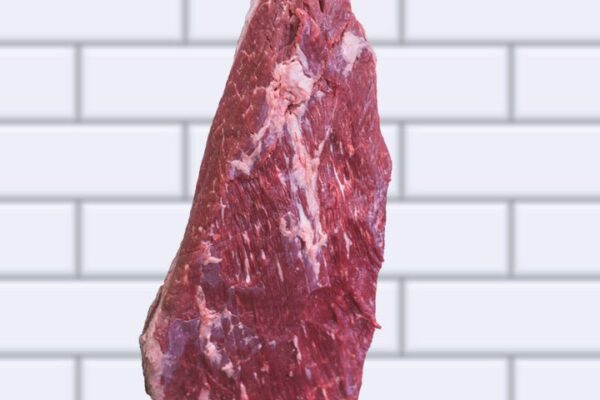
Once trimmed, you’re left with clean, dense muscle meat that looks and handles a lot like a flank or skirt steak. Most of what makes beef heart intimidating disappears once this step is done.
How to Cut Beef Heart
After trimming, you can either cut the heart into steaks across its thickness or slice it thin for quicker cooking methods like stir fry or fajitas. Either way, pay attention to the direction the muscle fibers run before you start slicing.
For steaks, cut against the natural grain in pieces about half an inch to an inch thick. For thin slicing, aim for strips about a quarter inch thick, similar to how you’d prep flank steak for stir fry.
Cooking Methods for Beginners
Grilled or Pan-Seared Heart Steaks
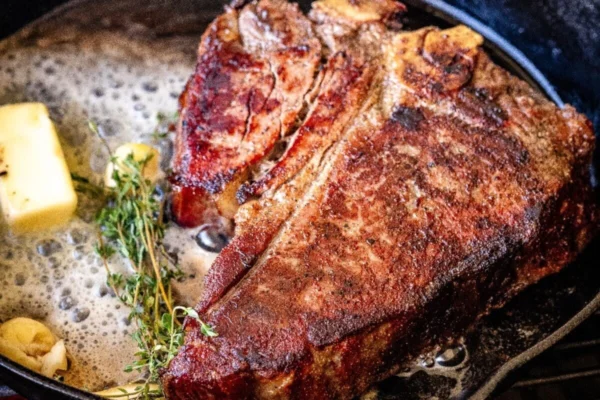
This is the simplest way to start. Season trimmed heart steaks with salt, pepper, and a little oil, then sear hot and fast, about 2-3 minutes per side depending on thickness, aiming for medium-rare.
Treat it exactly like a flank or skirt steak. High heat, short cook time, and a rest period before slicing thin against the grain.
Beef Heart Kabobs
Cut trimmed heart into 1-inch cubes and thread onto skewers with vegetables. Marinate for 30 minutes to a few hours beforehand if you want extra flavor, though it’s not strictly necessary given how mild and beefy the flavor already is.
Grill over high heat, turning frequently, until the outside is browned and the inside is still pink, about 8-10 minutes total depending on cube size.
Thin-Sliced Stir Fry
Slice trimmed heart thin against the grain and cook it the same way you’d cook strips of flank steak for stir fry, a very hot pan or wok, quick cooking, and don’t overcrowd the pan or the meat will steam instead of sear.
This method works especially well for beginners since the thin slices cook fast and are hard to overcook by accident, unlike a thicker steak where timing matters more.
A Simple Beginner Recipe: Grilled Heart Steak
Trim your beef heart and cut it into steaks about ¾ inch thick. Season generously with salt and pepper, and let it sit at room temperature for 20-30 minutes before cooking.
Heat a cast iron pan or grill until very hot. Sear the steaks for about 2-3 minutes per side, aiming for an internal temperature of 130-135°F for medium-rare.
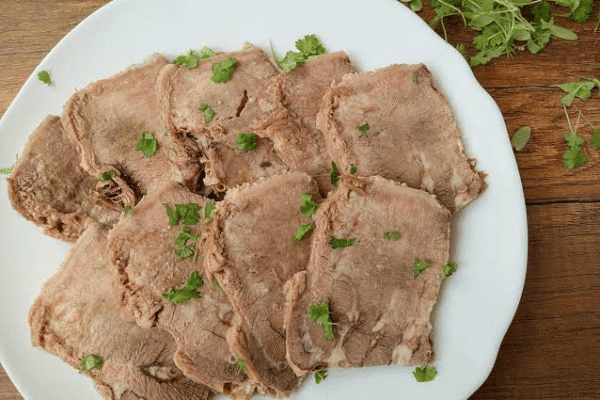
Rest for 5 minutes, then slice thin against the grain. Serve it exactly the way you’d serve a flank or skirt steak, over a salad, in tacos, or alongside a simple side dish.
What to Expect the First Time
The first time you handle a whole beef heart, it looks bigger and more unfamiliar than the trimmed steaks or slices you end up cooking with. That’s normal. Once you work through the trimming step, what’s left looks and handles like any other lean cut sitting on your cutting board.
Don’t expect a strong or unusual smell either. Fresh beef heart smells like fresh beef, not like liver or kidney, which tend to carry a more distinct odor. If something smells off, that’s a freshness issue rather than a normal characteristic of the cut itself.
The texture while raw is firmer and denser than a standard steak, simply because it’s such a hardworking muscle. That density is exactly what gives it a satisfying, meaty bite once it’s cooked correctly.
Common Mistakes to Avoid
Overcooking is the most common mistake with beef heart. It’s lean enough that it toughens quickly past medium-rare, so treat it with the same care you’d give a lean steak rather than cooking it well done out of caution.
Skipping the trim is the second mistake. Leftover valve tissue or silverskin stays tough no matter how carefully you cook the rest of the piece, and it’s easy to miss if you rush through prepping it.
The third mistake is slicing with the grain instead of against it. Beef heart has clearly visible muscle fiber direction, and cutting the wrong way makes even a well-cooked piece feel chewier than it should.
Storing Beef Heart
Beef heart freezes well for up to a year when vacuum-sealed, the same as every cut that ships from our farm. Thaw in the refrigerator over 24 hours before cooking rather than at room temperature.
If you’ve trimmed more than you plan to cook right away, the trimmed and cut pieces freeze just as well as the whole heart, so there’s no need to prep it all at once.
Where to Go From Here
Our Grass-Fed Beef Heart ships trimmed and ready to portion, vacuum-sealed and flash-frozen like everything else from our farm. If you want the broader case for why organ meats belong in your rotation, our Grass-Fed Organ Meats Benefits guide covers the nutrition side in more depth.
For more on the high-heat, quick-cooking technique this guide leans on, Flank Steak vs Skirt Steak covers the same approach in more detail, since beef heart responds to almost identical treatment. And if you’re building a first order that includes organ meats alongside more familiar cuts, Best Cuts for a Beef Box walks through how to put together a balanced mix.
Frequently Asked Questions
Does beef heart taste like liver?
No. Beef heart has a mild, beefy flavor closer to a lean steak than to liver, without the strong iron taste some people associate with other organ meats.
How do I know when beef heart is done cooking?
Aim for an internal temperature of 130-135°F for medium-rare, the same target you’d use for a lean steak like flank or skirt.
Do I need to marinate beef heart before cooking?
Not necessarily. It has a mild flavor on its own, so a simple salt and pepper seasoning works well. A marinade adds variety but isn’t required for a good result.
What’s the hardest part of cooking beef heart for the first time?
Trimming. It’s the step people skip or rush, and it matters more than the actual cooking method for how the final result turns out.
Can I substitute beef heart in recipes that call for flank or skirt steak?
Yes, in most cases. Beef heart responds to the same high-heat, quick-cooking approach and slices the same way against the grain.
Beef heart for beginners really comes down to one lesson: trim it well, cook it hot and fast, and treat it like the lean steak it really is. Shop our grass-fed beef heart and give it a try this week.
1 thought on “Beef Heart for Beginners: How to Cook It”