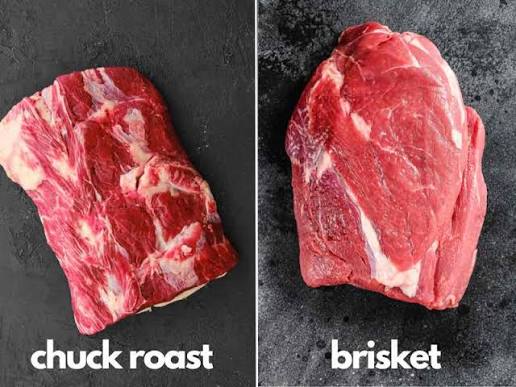
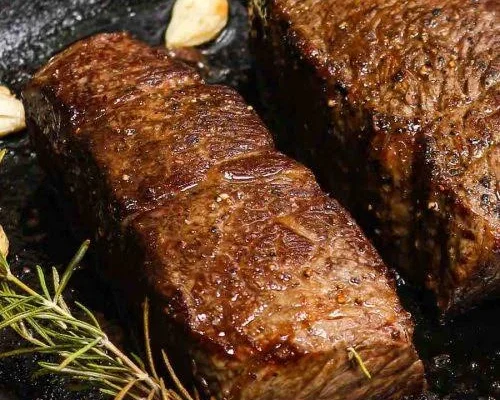
Flank steak and skirt steak both come from the underside of the cow and both love a hot, fast cook, but they’re not the same cut. Flank is wider and leaner with a mild flavor, while skirt is thinner, more marbled, and has a deeper, beefier taste. Both need to be sliced thin against the grain, and both are built for marinades and quick grilling rather than a slow braise.
Flank steak vs skirt steak is one of those comparisons that trips people up at the butcher counter. They look similar, they cook similarly, and recipes often use the names interchangeably even though they’re technically different cuts.
I’m Tray Marcus, and between running Sugar Hill Farm with my wife Carly and our four kids, these two cuts show up on our grill more than almost anything else in the summer. Here’s how to tell them apart for good.
Where Each Cut Comes From
Flank steak comes from the lower abdominal area of the cow, behind the ribs and in front of the hind legs. It’s a wide, flat muscle that does a lot of work supporting the animal’s body, which is why it’s leaner and slightly firmer than more marbled cuts.
Skirt steak comes from the diaphragm area, closer to the plate and short ribs. It’s a longer, thinner muscle that also works hard, but it carries more fat running through it than flank does.
Both are considered “long and lean” cuts in butcher terms, but they come from different muscle groups entirely. That’s the root of most of the confusion.
Texture and Flavor Differences
Flank steak has a mild, clean beef flavor and a firmer bite. It’s wider and thicker than skirt steak, usually cut into one solid piece per animal.
Skirt steak runs thinner and has more visible marbling, which gives it a richer, more intense beef flavor. It’s also slightly more tender when cooked correctly, though both cuts can turn chewy fast if overcooked.
Neither cut is naturally tender the way a ribeye or filet is. Both rely on quick cooking and the right slicing technique to stay enjoyable to eat.
Flank Steak vs Skirt Steak: Side by Side
| Flank Steak | Skirt Steak | |
|---|---|---|
| Location | Lower abdomen | Diaphragm area |
| Shape | Wide, flat | Long, thin |
| Fat content | Leaner | More marbled |
| Flavor | Mild, clean | Rich, beefier |
| Best cooking method | Grill or sear, high heat | Grill or sear, high heat |
| Marinade recommended | Yes | Yes, though optional |
| Common recipes | Fajitas, London broil, stir fry | Fajitas, carne asada, stir fry |
Cutting Against the Grain Matters More Here Than Almost Any Other Cut
Both flank and skirt steak have long, visible muscle fibers running in one direction. Slicing with those fibers instead of against them is the single biggest reason people end up with a tough, chewy result.
Look for the direction the lines run across the cooked steak, then slice perpendicular to them, at an angle if possible. This shortens the muscle fibers in every bite, which is what makes these lean cuts feel tender instead of stringy.
Skip this step and even a perfectly cooked flank or skirt steak will chew like a rubber band. It’s a two-second detail that makes the biggest difference in the final result.
Marinating: When It Helps and When It’s Optional
Flank steak benefits the most from a marinade, since it’s the leaner of the two and can use the added moisture and flavor. A few hours in an acidic marinade, something with citrus or vinegar, also helps soften the muscle fibers slightly before cooking.
Skirt steak already carries more fat and flavor on its own, so a marinade is more about adding variety than necessity. A quick 30-minute marinade or even just salt, pepper, and oil works fine if you’re short on time.
Either way, don’t marinate much longer than 24 hours. Acidic marinades can start breaking down the texture in an unwanted way if left too long.
How to Cook Both Cuts
High heat and a short cook time are the rule for both flank and skirt steak. A hot grill or a screaming hot cast iron pan works best, aiming for medium-rare to medium, roughly 3-5 minutes per side depending on thickness.
Grass-fed beef cooks faster than grain-fed since it carries less internal fat. Pull both cuts a few degrees before your target temperature, since they’ll continue cooking slightly as they rest.
Let the steak rest for 5-10 minutes before slicing. This gives the juices time to redistribute instead of running out onto the cutting board the moment you cut into it.
Best Recipes for Each Cut
Flank steak works well in London broil, stir fry, and fajitas, where its wide shape slices into long, even strips. It also holds up well as a stand-alone grilled steak sliced thin over a salad.
Skirt steak is the classic choice for carne asada and fajitas, since its richer flavor stands up well to bold seasoning and char from a hot grill. Its thinner shape also cooks a bit faster than flank, which is worth accounting for if you’re cooking both at once.
Both cuts work in tacos, sandwiches, and grain bowls, making them versatile options beyond a plated steak dinner.
Common Mistakes to Avoid
Overcooking is the most common mistake with both cuts. Flank and skirt steak are lean and thin enough that they go from medium-rare to well-done faster than a thicker cut like a ribeye. Use a meat thermometer if you’re unsure, pulling around 130-135°F for medium-rare.
Slicing with the grain instead of against it is the second big mistake, and it’s an easy one to make if you’re not paying attention to the direction of the muscle fibers before you start cutting. Take a moment to look at the raw steak before it hits the heat, so you already know which way to slice once it’s cooked and rested.
The third mistake is skipping the rest period entirely. Cutting into either steak straight off the grill lets the juices run out onto the board instead of staying in the meat, leaving you with a drier bite than the cook really delivered.
Storing Flank and Skirt Steak
Both cuts freeze well for up to a year when vacuum-sealed, which is how every cut ships from our farm. Thaw in the refrigerator over 24 hours rather than on the counter, especially since these are thinner cuts that thaw faster than a thick roast.
If you’re marinating from frozen, it’s fine to thaw and marinate at the same time in the refrigerator. Just build in an extra hour or two compared to marinating a fully thawed steak.
Which One Should You Order
If you want a leaner cut with a milder flavor that’s easy to portion for a crowd, flank steak is the better pick. Our Grass-Fed Flank Steak is sized well for fajita night or a stir fry that needs to stretch across a few servings.
If you’re after a richer, more intense beef flavor for something like carne asada, Grass-Fed Skirt Steak is the stronger choice. It’s slightly more marbled and takes on a hard sear beautifully.
Not sure which cuts to build your next order around? Our Best Cuts for a Beef Box guide walks through how to balance a mixed order across steaks, roasts, and ground beef. For a deeper look at a different steak comparison, Filet Mignon vs Ribeye covers the more tender end of the steak lineup.
Frequently Asked Questions
Is flank steak the same as skirt steak?
No. They come from different parts of the cow, flank from the lower abdomen and skirt from the diaphragm area. They cook similarly but have different textures and flavors.
Which is more tender, flank or skirt steak?
Skirt steak is generally slightly more tender due to its higher fat content, though both depend heavily on slicing against the grain to avoid a chewy result.
Do I need to marinate flank or skirt steak?
Flank steak benefits more from a marinade since it’s leaner. Skirt steak already carries more flavor on its own, so a marinade is optional rather than necessary.
What’s the best way to cook flank or skirt steak?
High heat, quick cooking, roughly 3-5 minutes per side depending on thickness, then a rest before slicing thin against the grain.
Can I substitute flank steak for skirt steak in a recipe?
Yes, in most cases. Adjust cook time slightly since skirt steak is thinner and cooks a bit faster than flank.
Flank steak vs skirt steak comes down to shape, fat content, and flavor intensity, and both are worth having in your freezer for quick, high-heat meals. Shop our grass-fed steaks and stock up for your next grill night.