If you have ever stood in front of the meat section wondering what grass fed beef actually means, you are not alone. Over the years, I have had plenty of conversations with customers who ask the same thing. They see labels like grass fed, grass finished, pasture raised, and grain finished, and before long it starts feeling like you need a dictionary just to buy beef.
The short answer is simple, grass fed beef comes from cattle raised primarily on grass and forage instead of being heavily fed grain-based diets. But like most things in farming, the full answer goes deeper.
The way cattle are raised affects everything from nutrition and flavor to fat content and how the beef cooks in your kitchen. If you are trying to understand whether grass fed beef is worth buying, it helps to know exactly what happens before that steak or ground beef ever reaches your table.
Here at Sugar Hill Farm, we spend a lot of time talking with people who want to know where their food comes from. Questions about beef labels come up often, and honestly, I understand why, the beef world can get confusing fast. So let me break it down the same way I would explain it standing beside the pasture or talking to somebody picking up beef from the farm.
What Does Grass Fed Beef Mean?
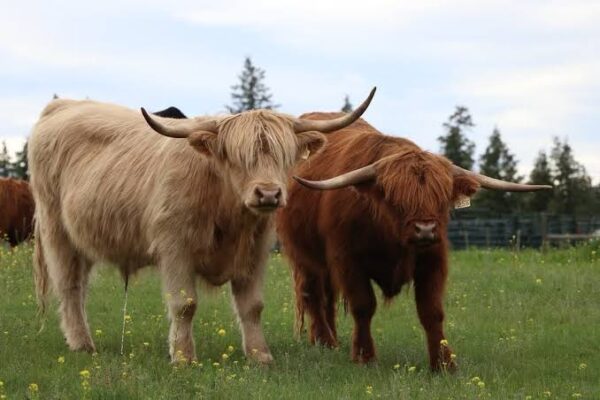
Grass fed beef comes from cattle that eat grass and forage as the primary part of their diet rather than being finished on heavy grain feed.
That forage can include:
- Fresh pasture grass
- Hay
- Legumes
- Silage
- Other natural forage plants
Cattle naturally evolved to eat grass, their digestive systems are built to process forage efficiently, which is why pasture grazing has always been a major part of raising cattle. Now here is where people sometimes get confused, because not every product labeled “grass fed beef” means exactly the same thing.
Some cattle may spend most of their lives grazing pasture, but receive supplemental feed at certain stages, while others are raised on forage from start to finish. That is why understanding terms like grass finished beef matters too.
One thing I have learned after years around farming is that asking questions matters. People today want transparency, and honestly, they should.
Grass Fed Beef vs Grain Fed Beef
One of the biggest questions I hear is this:
“What is the difference between grass fed beef and regular beef?”
Most of the time, when people say “regular beef,” they are talking about grain-fed beef.
The biggest difference comes down to what cattle eat and how they are finished before processing.
Grass fed cattle spend their lives primarily eating grass, hay, and forage. Grain-fed cattle usually spend much of their early life on pasture too, but many are later moved to feedlots where grain-based feeds like corn or soy are introduced to increase weight gain and marbling.
Here is a simple breakdown:
| Grass Fed Beef | Grain Fed Beef |
|---|---|
| Primarily forage and pasture diet | Often grain-finished |
| Usually leaner | Often higher marbling |
| Higher omega-3 content | Typically higher omega-6 fats |
| More natural grazing lifestyle | Feedlot finishing common |
| Slightly firmer texture | Often softer texture |
| Can cook faster | Usually more forgiving during cooking |
Years ago, I had somebody buy grass fed beef expecting it to cook exactly like conventional grocery store beef.
A few days later they reached back out saying, “I think I overcooked it.”
That happens more than people realize.
Grass fed beef is often leaner, which means it can cook differently. If you cook it the exact same way as heavily marbled grain-fed beef, you can dry it out faster.
Lower heat and paying attention during cooking usually makes a big difference.
Grass Fed Beef vs Grass Finished Beef
This is where labels start confusing people.
A lot of folks assume grass fed automatically means cattle ate nothing but grass from birth to harvest.
That is not always true.
Grass fed can sometimes mean cattle consumed grass during part of their lives but later received supplemental grain feed.
Grass finished beef generally means cattle remained on forage-based diets throughout their entire lives.
Think of it like this:
- Grass fed: Grass was part of the diet
- Grass finished: Grass remained the diet
If somebody specifically wants beef raised entirely on pasture and forage, grass finished is usually the term worth looking for.
This is one reason I always encourage people to know their farmer or ask questions about how cattle are raised.
Good farms are usually happy to explain their process.
Transparency matters.
Is Grass Fed Beef Healthier?
People often ask me:
“Is grass fed beef actually healthier?”
The honest answer is that grass fed beef and grain fed beef both provide valuable nutrition.
But there are some differences.
Grass fed beef is often known for:
- Higher omega-3 fatty acids
- More conjugated linoleic acid (CLA)
- Less overall fat
- Higher amounts of certain vitamins like vitamin A and vitamin E
- Leaner nutritional profile
Now, I always tell people this:
No single food magically fixes your health.
Good nutrition comes from your overall eating habits.
But if somebody wants beef that is typically leaner and naturally higher in certain beneficial fats, grass fed beef often appeals to those goals.
Another thing people notice is appearance.
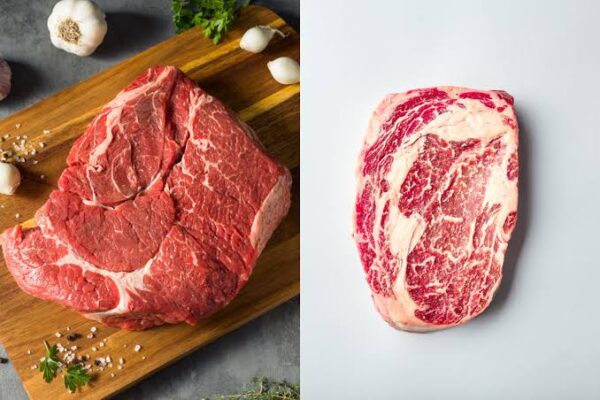
Grass fed beef fat can sometimes have a slightly more yellow color.
That surprises people the first time they see it.
But that color often comes from natural compounds found in grass-based diets.
Different does not mean bad.
It often simply reflects how the animal was raised.
Does Grass Fed Beef Taste Different?
Short answer? Yes.
Grass fed beef can taste different, some people describe it as richer, some call it beefier. Others notice slightly earthy or mineral notes depending on pasture conditions and how cattle were raised.
Grain-fed beef often develops heavier marbling and a milder flavor profile.
Grass fed beef tends to let the beef flavor itself stand out more.
I remember one customer telling me:
“I wasn’t expecting beef to actually taste more like beef.”
That stuck with me.
Because honestly, that is how many people describe it.
Taste always comes down to personal preference.
Some people strongly prefer grain-fed beef.
Others try grass fed once and never want to switch back.
There is no universal answer.
Just preference.
Why Grass Fed Beef Costs More
Another question that comes up often:
“Why is grass fed beef more expensive?”
There are several reasons.
Raising cattle on pasture takes time.
Grass fed cattle generally grow at a slower pace compared to systems designed for rapid finishing.
Land requirements can also be different.
Pasture management matters.
Rotational grazing matters.
Weather matters.
Feed quality matters.
Then there is the simple reality that producing quality beef responsibly takes work.
People sometimes only see the final package.
They do not always see the months and years behind it.
The fencing.
The pasture care.
The water systems.
The health management.
The daily work that happens long before beef reaches a freezer.
Good farming is rarely the fastest path.
But many farms believe it is worth doing well.
How To Know If Beef Is Actually Grass Fed
If you are buying beef and want confidence in what you are getting, ask questions.
Good questions include:
- Was the cattle diet forage-based throughout life?
- Was grain ever introduced?
- Is this grass fed or grass finished beef?
- How are cattle raised?
- Are animals pasture raised?
- Can the farm explain its practices clearly?
Farm transparency matters.
Labels can help, but direct conversations matter too.
One thing I appreciate about buying directly from farms is being able to ask real questions and get real answers.
People deserve to know where their food comes from.
That should not be controversial.
That should be normal.
If you are exploring different beef options, you can also learn more about our beef offerings or read more about why many families choose grass fed beef.
Is Grass Fed Beef Worth Buying?
That depends on what matters most to you.
If you value:
- Natural forage diets
- Leaner beef
- Different nutritional characteristics
- Pasture-focused cattle raising
- Knowing more about where your food comes from
Then grass fed beef may absolutely be worth considering.
For some people, taste alone makes the decision easy.
For others, farming practices matter more.
Some simply like building relationships with local farms and understanding how their food is raised.
There is no perfect answer.
Only the answer that fits your priorities.
Conclusion
So, what is grass fed beef? At its core, grass fed beef comes from cattle raised primarily on grass and forage instead of grain-heavy finishing systems, but once you look deeper, it becomes about more than feed. It becomes about farming practices, animal management, transparency, nutrition, and understanding the story behind your food.
Here at Sugar Hill Farm, we believe people should feel informed about what they buy and confident about what they feed their families. Because when you know where your food comes from, you make better decisions, and in my experience, that is never a bad thing.